Wimbledon Common furniture removals insider tips for moves

If you are planning a move around Wimbledon Common, the furniture side of it can be the part that quietly causes the most stress. Sofas look slimmer in the showroom than they do in a narrow hallway. Wardrobes suddenly feel enormous. And that one awkward dining table? It always seems to have the worst possible legs for moving day.
This guide pulls together Wimbledon Common furniture removals insider tips for moves in a way that is actually useful: how to prepare, what to ask, where the common mistakes happen, and how to make the whole job smoother without overcomplicating it. Whether you are moving a few bulky items, an entire house, or a mix of furniture and boxes, the aim is simple: fewer surprises, less lifting drama, and a move that feels under control.
Truth be told, a good move is usually won before the van even arrives. The more clearly you plan the furniture flow, the easier everything else becomes.
Why Wimbledon Common furniture removals insider tips for moves Matters
Moves around Wimbledon Common often involve a mix of family homes, flats, period properties, and homes with tighter access than people expect. That matters because furniture removals are not just about strength; they are about timing, measurements, layout, and protecting both the property and the item.
In practice, one poorly planned sofa can delay the whole afternoon. A bed frame that has not been dismantled can snag on stair turns. A glass cabinet that was packed "carefully enough" can still shift in transit if it is not secured properly. That is why the insider tips are valuable: they help you think a few steps ahead.
Wimbledon Common also sits in a part of London where parking, loading space, and access can influence the whole rhythm of moving day. You may not notice the issue when you are looking at the house, but your movers will. And once a van is parked, every extra carry step adds time, fatigue, and risk.
Expert summary: the best furniture move is not the one with the strongest people; it is the one where the furniture, access route, vehicle, and packing all fit together sensibly. That is what saves time, avoids damage, and keeps everyone calmer.
How Wimbledon Common furniture removals insider tips for moves Works
Furniture removals usually follow a straightforward sequence, but the detail in each step makes the difference. A small collection of items might only need a man and van style service. A larger household may need full furniture removals support or a broader home moves package.
First comes the survey or initial discussion. This is where you explain what is being moved, whether anything is fragile or unusually heavy, and whether there are stairs, lifts, tight corners, or restricted parking. Then comes the planning stage: vehicle size, labour required, dismantling needs, and whether packing materials are needed.
On the day, the team will usually protect floors and furniture where needed, load the most awkward items first or in the safest order, and secure everything so it does not shift. A decent mover will also think about the destination, not just the pickup point. That sounds obvious. Yet it is exactly where many DIY moves go sideways.
For bigger household jobs, services such as house removals or help from experienced house removalists can make the process feel less like a military operation and more like an organised handover. Slightly less chaos, which is no bad thing.
Key Benefits and Practical Advantages
The most obvious benefit is reduced damage risk. Furniture gets scratched when it is dragged, bumped, stacked badly, or left loose in transit. A proper removals setup prevents most of that before it starts.
Another major benefit is time. If you have ever watched three people try to decide whether a wardrobe can turn left on a stair landing, you will know how quickly a move can drag on. Planning properly avoids a lot of that hesitating and backtracking.
There is also the less glamorous benefit of physical safety. Heavy furniture is one of those things that feels manageable right up until the moment it is not. Bad lifting technique, rushed steps, and poor route planning can lead to strains or awkward slips. A good moving approach reduces that risk considerably.
For many people, the real win is mental clarity. When you know what will happen to each item, the move becomes easier to picture. You stop wondering, Will that table fit? or Where will the sofa go? and start making decisions that are actually useful.
- Less damage to floors, doors, and furniture
- Cleaner timing on moving day
- Better use of labour and vehicle space
- Lower chance of last-minute panic
- More confidence when handling awkward items
Who This Is For and When It Makes Sense
This approach is useful for anyone moving furniture in or out of the Wimbledon Common area, but it is especially helpful if your move includes bulky, delicate, or expensive items. A small studio with a couple of heavy pieces may need a different setup from a five-bedroom family house with garden furniture and storage boxes.
It makes sense if you are:
- Moving within Wimbledon, South West London, or nearby streets with tight access
- Clearing a property before sale or letting
- Rearranging or downsizing into a smaller home
- Moving a mix of household furniture and boxes
- Handling a move where some items may need temporary storage
- Trying to minimise disruption for children, neighbours, or work schedules
It can also suit students or younger renters who only need a smaller vehicle and a few strong hands, especially where stair access and parking are straightforward. In those cases, services such as student removals or a compact removal van setup may be enough.
If you are moving a flat, a flat removals service can be a better fit than a full house move. It is one of those small distinctions that saves both money and hassle.
Step-by-Step Guidance
Here is the practical way to approach furniture removals around Wimbledon Common without turning your week upside down.
1. Walk through the property with a measuring tape
Measure the largest items first: sofas, beds, wardrobes, desks, dining tables, and anything with fixed parts. Then measure stair widths, door frames, landings, lifts, and hallway turns. If you only do one thing, do this. It gives you the most honest picture of what needs dismantling.
2. Make a furniture list by room
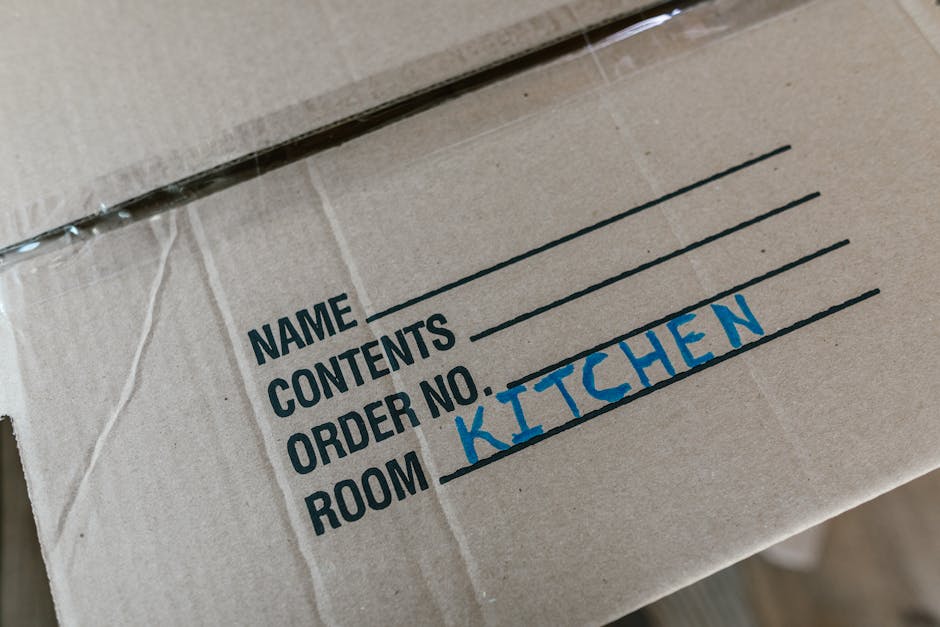
List each room and the items leaving it. That simple step makes packing, labelling, and loading much easier. It also helps you decide whether you need full removals support or a smaller, more targeted service like furniture pick up.
3. Separate what can be dismantled
Flat-pack furniture, bed frames, table legs, shelving, and some wardrobes can often be taken apart safely. Keep fittings in labelled bags, taped to the furniture or stored in one clearly marked box. A tiny bag of screws can ruin a surprisingly good afternoon if it disappears. It happens.
4. Choose the right packing materials
Use strong boxes, wrapping paper, blankets, tape, and protective covers where needed. If you are moving a lot of items together, packing and boxes support can be worth it, particularly when fragile accessories need to travel with the furniture.
5. Plan the loading order
Heavy, solid items usually go in first, with lighter and more flexible items placed around them. Fragile pieces should be secured so they cannot move. The aim is not to cram the van full and hope for the best. The aim is stable, balanced loading.
6. Confirm access at both ends
Think about parking, entry codes, shared hallways, internal stairs, and whether someone will need to hold a door open while another person steers a sofa. Access is where a move is won or lost in real life, not on paper.
7. Keep a quick-access essentials box
Have one box for remote controls, kettle items, chargers, important documents, and basic tools. You do not want to be hunting for a screwdriver while someone is waiting outside in the drizzle at 7:45 a.m. Slightly miserable, that.
Expert Tips for Better Results
A few small habits make a big difference. They are not dramatic, but they are the sort of details that experienced movers notice immediately.
- Photograph furniture before dismantling. You will thank yourself later when reassembling shelves or bed frames.
- Label by destination room, not just by item. "Bedroom 2" is more useful than "miscellaneous box 7".
- Remove cushions, drawers, and loose parts early. It reduces bulk and makes lifting safer.
- Protect corners and glass carefully. Even a tiny impact can cause hidden damage.
- Use blankets or covers for wooden finishes. Scratches often happen when items rub together in transit.
- Leave a clear route through the property. Shoes, lamps, plants, and clutter on the stairs are just waiting to trip someone up.
One thing people often forget: the destination room matters just as much as the loading point. If you know a wardrobe is going upstairs, make sure the upstairs room is ready for it. It sounds basic, but it saves everyone from standing around breathing heavily and saying, "Hmm, not sure this will fit after all."
If you have anything especially awkward, such as a large upright piano or a particularly precious antique cabinet, specialist support is worth considering. Services like piano removals exist for a reason. Heavy, valuable, and difficult-to-manoeuvre items deserve proper handling.
Common Mistakes to Avoid
Most moving problems are not dramatic. They are small avoidable things that snowball. A few examples come up again and again.
Underestimating access
People often plan for the furniture itself and forget the route. A sofa can be the right size for the room but still impossible to turn at the landing. Measure first, guess later. Or better yet, do not guess at all.
Leaving packing too late
Throwing a load of items into random boxes the night before tends to create confusion, not efficiency. The furniture may be ready, but the small parts, screws, cables, and accessories become a mess.
Not checking insurance and safety arrangements
Ask what protection is in place for goods in transit and what happens if there is an issue. Good movers should be transparent about this. It is also sensible to review the company's insurance and safety information before booking.
Trying to save money on the wrong thing
The cheapest option is not always the best value if it creates delays, damage, or extra trips. A well-matched vehicle and the right level of manpower often cost less overall than fixing a bad plan.
Forgetting to dispose of unwanted furniture early
If you are not keeping certain items, deal with them before moving day rather than after. Using a proper furniture removals or furniture pick up arrangement can clear the deck and reduce clutter fast.
Tools, Resources and Recommendations
You do not need a mountain of specialist kit, but a handful of practical tools will make the day easier.
| Tool or item | What it helps with | Why it matters |
|---|---|---|
| Measuring tape | Rooms, doors, furniture dimensions | Prevents access surprises |
| Labels and marker pens | Room-by-room organisation | Makes unpacking faster |
| Furniture blankets | Wood, metal, and upholstered protection | Reduces scuffs and chips |
| Strong tape | Securing bags and wraps | Keeps small parts together |
| Tools for dismantling | Beds, tables, shelving | Speeds up removal and reassembly |
| Boxes for loose items | Cables, cushions, fittings, decor | Stops small items going missing |
If your move includes a lot of boxes as well as furniture, it can help to use a structured packing approach rather than treating every room as a one-off puzzle. Services such as packing and unpacking services can be especially useful when time is tight, children are underfoot, or you simply do not want your first evening in the new place to be spent surrounded by tape and cardboard.
For smaller jobs, a leaner setup may be enough. A single man with van arrangement can work well for short local moves with modest volume, while larger or heavier loads may need a proper moving truck or even removal truck hire.
Law, Compliance, Standards, or Best Practice
For a domestic move, the legal side is usually less complicated than people fear, but there are still sensible standards to follow. Moving companies should handle goods carefully, work safely, and make clear what their service includes. You should also know the booking terms, cancellation rules, and payment conditions before you commit. A clear terms and conditions page is a good sign that the business takes that seriously.
Health and safety is not just a box-ticking exercise. It affects lifting technique, route planning, use of equipment, and the way fragile or heavy items are handled. If a mover is transparent about their health and safety policy, that usually indicates a more professional operation overall.
If you are paying online or by card, it is sensible to review payment security details too. That is plain common sense, really, even if nobody enjoys reading the fine print. Also useful: know how complaints are handled and how to reach the business if something needs correcting. In a real-world move, clear communication beats assumptions every time.
For customers who care about waste and disposal, recycling choices and responsible handling of unwanted furniture matter as well. Some items can be reused, some may be suitable for collection, and some simply need to be dealt with in line with local expectations. A company that explains its recycling and sustainability approach is often giving you a clearer picture of how it works day to day.
Options, Methods, or Comparison Table
Different move types suit different situations. This quick comparison helps you choose without overthinking it.
| Option | Best for | Strengths | Trade-offs |
|---|---|---|---|
| Furniture removals | Bulky items, full room moves, careful handling | Structured, practical, safer for larger pieces | May be more than needed for very small jobs |
| Man and van | Smaller loads, short local moves | Flexible and often efficient | Less ideal for very heavy or numerous items |
| Flat removals | Apartment moves with stairs or tighter access | Well suited to urban layouts | Can still need careful timing and parking planning |
| Storage-led move | Staged moves or delayed completion | Creates breathing room | Adds a second handling stage |
| Same-day removals | Urgent, last-minute changes | Fast response | Less room for detailed preparation |
If you are unsure which route suits your situation, a conversation about same-day removals, storage, or a standard booking can help you decide. The right choice depends on timing, volume, and how settled the move actually is.
Case Study or Real-World Example
Imagine a couple moving from a Wimbledon Common house into a nearby flat. They have a sofa, dining table, two beds, a sideboard, and a few oddly shaped bookcases. Nothing extreme. But the new place has a narrow entrance, stairs with a turn, and no obvious space to leave furniture outside for long.
What makes that move go well? Not luck. Preparation.
They measure the sofa and table, dismantle the beds the day before, label all screws, and clear the hallway. They also check the access at the new property and make sure parking is sorted. Because they are moving several bulky items, they use a removals service rather than trying to piece together the day with borrowed cars and crossed fingers.
The result is not dramatic, but it is smooth. The furniture arrives in the right order. The heaviest items go into the rooms first. There is no frantic searching for bolts. Nobody has to swivel a wardrobe at a weird angle while saying, "wait, wait, stop there."
That is the real lesson. Good furniture removals rarely look flashy. They just work.
Practical Checklist
Use this before moving day. A quick check now saves a lot of muttering later.
- Measure all major furniture items
- Measure doors, stairs, lifts, and hallways
- Decide what will be dismantled
- Label screws, fittings, and small parts
- Pack fragile furniture pieces with protection
- Clear hallways, entrances, and stair routes
- Confirm parking and access at both properties
- Choose the right vehicle size
- Review insurance, safety, and booking terms
- Set aside essentials for the first night
- Arrange help for heavy or awkward items
- Dispose of unwanted furniture in advance
Quick takeaway: if the move involves anything bulky, valuable, or awkwardly shaped, start with measurements and access. That one habit prevents more problems than any fancy packing trick ever will.
Conclusion
Wimbledon Common furniture removals are easiest when you treat them as a planning exercise first and a lifting job second. Measure carefully, think about access, protect the furniture properly, and choose a moving setup that fits the real shape of the job rather than the ideal version in your head.
The best insider tip? Keep the move simple enough for real life. A tidy plan, a sensible vehicle, and a clear route through the property will usually beat last-minute improvisation. Every time.
If you are comparing options, checking service details, or looking for a straightforward next step, you can also explore removal services, read more about the team's background, or review pricing and quotes before making a decision.
Get a free quote today and see how much you can save.
And once the last piece of furniture is in place, take a breath. The kettle can wait a minute.
Frequently Asked Questions
What should I measure before booking Wimbledon Common furniture removals?
Measure the furniture itself, plus doors, hallways, stair turns, lifts, and the parking or loading space where possible. The access route matters almost as much as the item size.
Do I need furniture dismantling before a move?
Not always, but beds, large wardrobes, tables, and shelving often move more safely when partially dismantled. If it looks awkward to turn, it probably is.
Is a man and van enough for a furniture move around Wimbledon Common?
It can be, if the load is relatively small and the access is straightforward. For heavier, bulkier, or more numerous items, a larger removals setup may be better.
How do I protect furniture during removals?
Use blankets, covers, strong tape, and proper wrapping for corners, glass, and polished surfaces. Keep loose parts together and secure items so they cannot shift in transit.
What is the biggest mistake people make on moving day?
Underestimating access. A sofa that fits the room may still fail at a staircase, landing, or doorway. That is one of the most common causes of delay.
Should I use storage if my move dates do not line up?
Yes, storage can help if you are between properties or need to stage the move in phases. It is a useful buffer when completion dates wobble, which they sometimes do.
Can furniture removals include other household items?
Often yes. Many moves include boxes, small appliances, and loose items alongside furniture. If you need a more organised setup, packing support can help.
How far in advance should I book a removals service?
As early as you can, especially at busy times of year. Short-notice bookings may still be possible, but choice is usually better when you plan ahead.
What if I only need one large item moved?
That is where furniture pick-up or a smaller vehicle arrangement may make sense. It depends on the item, access, and how far it needs to travel.
How do I know if a removals company is trustworthy?
Look for clear pricing, transparent terms, sensible safety information, and straightforward communication. If details are vague, that is usually a warning sign.
Do I need special help for a piano or antique item?
Yes, specialist handling is usually wise for very heavy, valuable, or delicate pieces. Items like pianos are not something to improvise with, honestly.
What should I do with unwanted furniture before the move?
Arrange removal, collection, donation, or recycling before moving day if possible. Clearing it early reduces clutter and makes the move feel much more manageable.